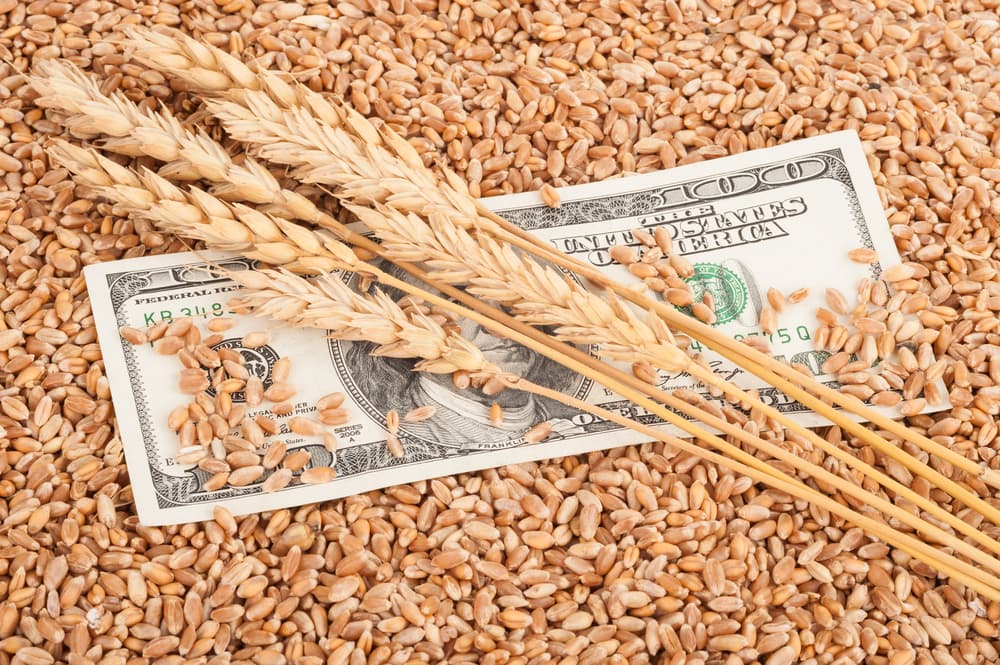
Commodities are the cornerstone of the global economy, holding substantial influence not only within various industries but also in everyday life. The combination of volatile price movements, high liquidity, and the availability of diversification makes commodity trading highly attractive to traders. But commodities are not all the same. Read ahead to discover how commodities are defined and classified, and which commodities are the most popular by traded volume as of 2025.
Commodities are standard, tangible goods that are used for production and consumption – two fundamental processes within an economy. These goods include raw materials utilised in manufacturing processes, staples that are grown from agriculture, precious metals that are mined, livestock, and more. Commodities can be classified into two broad categories:
Commodity trading in the financial world refers to the buying and selling of commodities as financial instruments on organised exchanges, similar to how forex, stocks, or indices are traded.
Commodity trading is popular among traders for three key reasons:
Here are the most actively traded commodities by volume for 2025 (year-to-date):
| Commodity Name | Symbol | Type | Exchange | Volume (in contracts) |
|---|---|---|---|---|
| WTI Crude | CL.1 | Energy | New York Mercantile Exchange | 420,000 |
| Aluminium | AH.1 | Industrial metal | London Metal Exchange | 260,000 |
| Gold | GC.1 | Precious metal | Commodities Exchange Centre | 210,000 |
| Copper | HG.1 | Industrial metal | Commodities Exchange Centre | 180,000 |
| Natural Gas | NG.1 | Energy | New York Mercantile Exchange | 130,000 |
| Soybean | S.1 | Agriculture | Chicago Board of Trade | 110,000 |
| Corn | C.1 | Agriculture | Chicago Board of Trade | 100,000 |
| Brent Crude | LCO.1 | Energy | Intercontinental Exchange Europe | 80,000 |
| Sugar | SB.1 | Agriculture | Intercontinental Exchange US | 75,000 |
| Silver | SI.1 | Precious metal | Commodities Exchange Centre | 65,000 |
| Wheat | W.1 | Agriculture | Chicago Board of Trade | 55,000 |
*Data based on commodity futures tracked by CNBC (and LME for aluminium) as of 31/03/2025.
Below, we delve into each of these top-traded commodities, explaining why they are so popular and what drives their trading volumes:
WTI (West Texas Intermediate) crude is a high-quality, light, and sweet crude oil primarily produced in the US It is one of the most widely recognised and actively traded benchmark crude oils in the world. Its trading volume is driven by its status as a key benchmark for oil prices in North America.
Factors influencing trading volume: The WTI crude oil market is highly sensitive to geopolitical events, supply disruptions, and changes in global demand. Traders closely monitor factors like decisions by OPEC (Organization of the Petroleum Exporting Countries), geopolitical tensions in oil-producing regions, and economic indicators for insights into future price movements.
Aluminium is one of the most widely used base metals, critical for industries ranging from transportation and construction to packaging. It is lightweight, highly conductive, and forms a foundation of the global manufacturing supply chain. Aluminium futures are among the most actively traded contracts worldwide – the LME aluminium contract alone saw an average of over 260,000 lots traded daily in 2024 underscoring its liquidity.
Factors influencing trading volume: Aluminium’s trading volume is driven by industrial demand (especially from the automotive and aerospace sectors), energy costs for production (since smelting aluminium is energy-intensive), and geopolitical factors affecting supply (major producers include China and Russia). Trade policies and tariffs also have a notable impact on this market; for instance, recent tariff measures on aluminium imports have disrupted the market, causing US aluminium premiums to surge to record levels. These dynamics encourage producers and consumers to hedge price risk actively, boosting trading volumes.
Gold has long been a favourite among investors and traders, making it one of the most traded precious metals globally. It is widely popular due to its status as a safe-haven asset, which helps to offset risk and hedge against inflation.
Factors influencing trading volume: Gold’s trading volume is driven by a variety of factors, including economic uncertainty, inflation concerns, and changes in monetary policy. During times of market turmoil or currency devaluation, traders flock to gold as a store of value, which can significantly increase trading activity.
Copper is a key industrial metal often referred to as “Dr. Copper” for its ability to gauge economic health. It is used extensively in electrical infrastructure, construction, electronics, and manufacturing. In recent years, copper has emerged as a star performer in commodities – prices have been lifted by bets on a global manufacturing recovery and the booming demand from the clean energy transition. This has translated into surging trading interest, with exchange volumes for copper reaching multi-year highs (CME copper futures volume broke above 4 million contracts in a month for the first time in 2024, and Chinese traders pushed SHFE copper futures to 6.3 million contracts in April 2024
Factors influencing trading volume: Copper trading volume is influenced by global economic growth, industrial and construction activity, and supply disruptions in major mining regions (such as Chile and Peru). The push for electrification – including electric vehicles and renewable energy systems – has added a structural boost to copper demand. Additionally, heightened speculative and hedging activity around policy news contributes to volume; for example, discussions of new tariffs (with potential rates up to 25% on copper) have introduced greater two-way price risk and volatility. These factors combined make copper one of the most actively traded commodities today.
Natural gas is a vital energy resource with substantial trading volume. It is the third-biggest source of energy by consumption in the world, after oil and coal. Natural gas is widely used for heating, electricity generation, and as a feedstock in various industrial processes.
Factors influencing trading volume: Natural gas trading volume is affected by weather patterns (which influence heating and cooling demand), storage levels, production trends (e.g. shale gas output in the US), and global demand. Severe weather events, such as winter cold snaps or hurricanes, can disrupt supply chains and lead to increased volatility in natural gas prices, prompting more trading activity as market participants hedge or speculate on price movements.
Soybeans are a crucial agricultural commodity, used both as an ingredient for various food products and as animal feed. Soybean derivatives (like soybean oil and meal) further extend its importance. The soybean market is a critical component of global trade, with the US, Brazil, and Argentina being the largest producers and exporters of soybeans.
Factors influencing trading volume: Soybean trading volume is influenced by factors such as weather conditions (impacting crop yields), global demand (especially from major importers like China), and international trade disputes. For example, trade tensions or tariffs between major soybean producers and consumers can significantly impact prices and encourage hedging by exporters/importers. Changes in livestock production (which affect feed demand) also play a role in soybean market activity.
Corn (maize) is another crop with substantial trading volume. It is one of the most widely cultivated and versatile crops, serving as a staple food for many regions, a primary livestock feed grain, and a raw material for various industrial products such as ethanol and bioplastics.
Factors influencing trading volume: Corn prices are sensitive to factors like weather conditions (droughts or ideal growing seasons can sharply alter supply expectations), government agricultural policies (including biofuel mandates and farm subsidies), and global demand for biofuels. The production of ethanol from corn is a key driver of corn demand; fluctuations in energy prices or biofuel policies can lead to shifts in corn usage, thereby affecting trading volumes. In essence, anything that impacts the supply-demand balance for corn – from planting acreage reports to export deals – will influence trading activity as participants adjust their price expectations.
Brent crude is a major benchmark for global oil prices and one of the most widely used references for pricing crude oil worldwide. It is named after the Brent oil field in the North Sea and serves as a critical indicator for pricing various petroleum grades, particularly for oil produced in Europe, Africa, and the Middle East.
Factors influencing trading volume: Like WTI, Brent crude oil is influenced by geopolitical events, OPEC+ production decisions, and overall supply and demand dynamics in the energy market. It often reflects trends in the European and Asian markets. Traders watch factors such as Middle East stability, maritime shipping routes (e.g. disruptions in the Suez Canal or Strait of Hormuz), and international sanctions on oil-producing nations. Because Brent is used in pricing a large share of the world’s oil, hedgers and speculators globally engage with Brent futures, keeping volumes high.
Sugar is an essential soft commodity that plays a significant role in the global economy. It is a versatile product used extensively in the food and beverage industry, as well as for biofuel production (such as ethanol made from sugarcane) and other industrial products. Both sugarcane and sugar beet crops contribute to the world’s sugar supply.
Factors influencing trading volume: Sugar prices are influenced by factors like weather conditions (impacting harvest yields in key producers like Brazil, India, and Thailand), government policies (such as subsidies or export quotas), and shifts in consumer preferences (e.g. demand for alternative sweeteners). Additionally, international trade agreements and tariffs can impact sugar flows between countries. These elements can create price volatility, prompting traders to hedge or speculate, thereby affecting trading volumes.
Silver, often dubbed the “poor man’s gold,” is another precious metal with significant trading volume. It holds a unique position in the commodities market due to its dual role: it is valued both as an industrial metal and as a store of value (similar to gold). This means silver’s price dynamics reflect both investment demand and industrial demand (for uses in electronics, solar panels, jewellery, and more).
Factors influencing trading volume: Similar to gold, silver’s trading volume is influenced by economic factors and market sentiment. In its investment role, factors like interest rates, inflation expectations, and currency fluctuations drive traders into or out of silver. In its industrial role, silver is sensitive to changes in manufacturing demand and technological developments (for example, increased demand for solar energy boosts silver use in photovoltaic cells). The combination of these forces, along with silver’s lower price point (which can make it attractive to retail traders), leads to active trading and high volumes.
Wheat is a staple agricultural commodity, and its trading volume is substantial due to its widespread global consumption. It is one of the world’s most important cereal crops and a fundamental source of food for humans (bread, pasta, etc.) and livestock feed. Different varieties of wheat (such as hard red winter, soft red winter, spring wheat) trade on exchanges in the US and abroad.
Factors influencing trading volume: Wheat trading is impacted by factors like weather conditions (which affect crop yields in major producing regions), plant diseases, and global food demand. Extreme weather events – droughts, floods, heat waves – can lead to supply shortages and price spikes, whereas bumper crops can depress prices. Additionally, international trade policies, export restrictions, or food security concerns can cause abrupt shifts in wheat availability on the world market. Such uncertainties drive producers, consumers, and speculators to the futures market to manage risk or take advantage of price movements, keeping trading volumes robust.
Commodity trading is attractive to traders looking to take advantage of the high volatility in these markets, as it allows for opportunities to profit from both rising and falling prices. Meanwhile, high traded volumes for certain commodities mean increased market liquidity with an abundance of buyers and sellers to trade with. Traders can choose to engage with different classes of commodities (such as energies, precious metals, and agricultural products) and can trade via different instruments, including futures, options, CFDs, ETFs, or even directly in the spot market.
Here’s how you can get started with commodity trading:
Q: What factors drive the volatility in energies like crude oil and natural gas?
A: Geopolitical tensions in major oil-producing regions, supply disruptions (such as conflicts or extreme weather affecting production), changes in global demand due to economic conditions, and decisions made by organisations like OPEC can all impact the prices of energy commodities. These factors contribute to frequent and sometimes sharp price movements in markets like crude oil and natural gas.
Q: Why are precious metals like gold and silver considered safe-haven assets?
A: Precious metals like gold and silver are often considered safe-haven assets because they tend to retain or increase in value during times of economic uncertainty and market turmoil. Traders and investors flock to these metals as a store of value when seeking protection from currency devaluation, inflation, or financial crises. Their long track record as hedges against economic instability makes them attractive during turbulent times.
Q: How do weather conditions affect agricultural commodities such as wheat, soybeans, and corn?
A: Adverse weather events like droughts, floods, or extreme temperatures can harm crop yields, leading to supply shortages and increased prices. Conversely, ideal weather conditions can result in bumper crops, creating oversupply and putting downward pressure on prices. As a result, traders and investors closely monitor weather forecasts and climate patterns for their potential impact on agricultural commodity supply and, by extension, prices and trading volumes.
Q: Do international trade relations affect commodities?
A: Yes, trade disputes and international trade agreements can have a substantial impact on commodities. Tariffs or export bans between major producers and consumers can disrupt established supply chains and alter demand dynamics, leading to price fluctuations. For example, if a country imposes tariffs on imported metals like aluminium or copper, domestic prices and premiums might rise influencing local demand and spurring traders to hedge. Similarly, new trade agreements can open up markets and increase trade flows, affecting commodity prices and volumes.
Q: What’s the difference between hard and soft commodities?
A: Hard commodities are natural resources like metals (e.g. gold, copper, aluminium) and energy sources (e.g. oil, natural gas) that are typically mined or extracted. Soft commodities are agricultural products or livestock, such as crops (wheat, corn, soybeans, sugar) and animals (cattle, hogs). They differ in production and storage – hard commodities often require significant extraction or mining operations and can be stored longer without spoilage, whereas soft commodities are subject to growing seasons, perishability, and weather impacts. These differences also mean price dynamics can vary: hard commodities may be more influenced by industrial demand and geopolitical factors, while soft commodities are often more affected by climate conditions and planting/harvest cycles.
Top 5 Blogs
 Balance Guard