 Balance Guard
How to Trade Forex: A Complete Comprehensive Guide for Beginners
Updated on November 2024 by Aaron Akwu, Head of Education Hantec Markets.
Forex trading, or foreign exchange trading, is one of the most dynamic and expansive markets globally. The profit potential is significant if you trade major currency pairs like EUR/USD or explore exotic combinations. However, success requires more than just luck—it demands a thorough understanding of the market, trading platforms, and the psychological challenges that come with it.
Table of Contents:
Introduction to Forex Trading
Forex trading involves the exchange of currencies, with participants ranging from central banks to individual retail traders. This decentralised market operates 24 hours a day, five days a week, enabling continuous trading as global financial centres open and close.
One of the most appealing aspects of forex trading is its accessibility. With minimal starting capital, anyone can enter the market and trade currencies through advanced forex trading platforms. But while the opportunities are vast, so are the risks, especially for beginners. A solid grasp of forex basics is crucial for avoiding costly mistakes and building a successful trading career.
Why Forex is the Largest Financial Market in the World
The forex market's size and liquidity distinguish it from other financial markets. Over $7 trillion is traded daily, dwarfing the stock and bond markets combined.
Core Characteristics of the Forex Market:
Decentralisation: Unlike stock exchanges, forex trading is conducted over the counter (OTC). Transactions happen electronically through a global network of banks, brokers, and trading platforms.
Global Participation: Currency pairs like EUR/USD are traded in financial hubs such as London, New York, and Tokyo, ensuring continuous activity.
High Liquidity: The market's liquidity allows traders to execute large orders without causing significant price movements, even in volatile conditions.
This environment offers transparency and competitive pricing, allowing forex traders to react quickly to economic data and global events.
Key Advantages of Forex Trading Over Other Financial Markets
Liquidity: The high trading volume ensures buyers and sellers can easily find counterparts, minimising slippage and reducing price manipulation risks. This is especially advantageous during periods of heightened market activity.
Accessibility and Flexibility: Forex trading platforms are user-friendly and available globally. They enable anyone, from seasoned investors to newcomers, to trade anytime, regardless of location. This flexibility is unmatched in other financial markets.
Low Transaction Costs: Forex brokers typically profit from spreads rather than commissions, making it a cost-effective option for retail traders. Lower trading costs mean traders can focus more on their strategies and less on fees.
Leverage Opportunities: Leverage allows traders to control larger positions with minimal capital. For instance, with 100:1 leverage, a $1,000 deposit can control a $100,000 trade. While this increases potential profits, it also amplifies risks, requiring traders to practice disciplined risk management.
Who Trades Forex? Understanding Retail vs. Institutional Investors
Institutional Investors:
Large entities such as banks, hedge funds, and multinational corporations dominate forex trading by volume. They engage in forex for various purposes, including hedging against currency risk and conducting international business. Their massive transactions can significantly influence currency prices.
Retail Traders:
On the other hand, retail traders are individuals trading smaller amounts via online brokers. They typically speculate on short-term price movements, leveraging forex trading platforms to access tools like charts, indicators, and automated trading systems.
Understanding Currency Pairs in Forex Trading
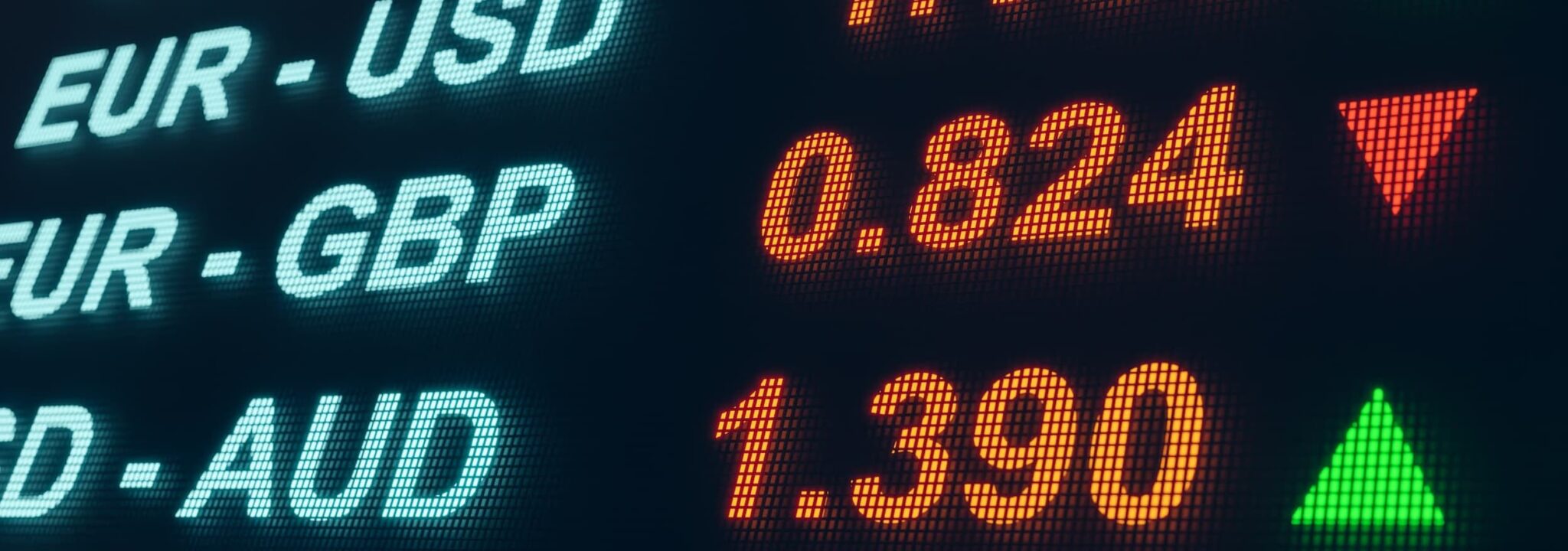
Currencies are traded in pairs, where one currency is exchanged for another. Each pair consists of:
- Base Currency: The first currency in the pair (e.g., EUR in EUR/USD).
- Quote Currency: The second currency (e.g., USD in EUR/USD).
Types of Currency Pairs:
Major Pairs: These pairs include the U.S. dollar and a major currency (e.g., EUR/USD, USD/JPY). They are highly liquid and widely traded.
Minor Pairs: These pairs exclude the U.S. dollar but involve major currencies (e.g., EUR/GBP, AUD/NZD).
Exotic Pairs: Pair a major currency with one from an emerging market (e.g., USD/ZAR, EUR/TRY). These pairs can be more volatile and less liquid, offering higher risk and reward.
How to Read Forex Quotes
Understanding forex quotes is critical for determining trading costs and profits.
- Bid Price: The price buyers are willing to purchase the base currency.
- Ask Price: The price at which sellers are willing to sell the base currency.
- Spread: The difference between the bid and ask prices, representing the broker’s fee.
For example, in a EUR/USD quote of 1.1050/1.1052, the spread is 0.0002, or 2 pips.
The Role of Trading Platforms and Tools
Successful forex trading heavily relies on advanced platforms and tools.
MetaTrader 4 (MT4) and MetaTrader 5 (MT5):
These platforms are staples in the forex trading community. They offer:
- She advanced charting capabilities.
- A wide range of technical indicators.
- Automated trading through Expert Advisors (EAs).
TradingView:
Known for its sophisticated charting tools, TradingView provides customisable indicators and the ability to share analysis with a community of traders.
Automated Trading Systems:
Automated systems execute trades based on pre-set conditions, removing emotional biases and ensuring consistent strategy application. These tools are particularly beneficial for high-frequency traders and those using complex algorithms.
Types of Forex Trading Strategies
Different strategies cater to varying risk tolerances and time commitments.
- Day Trading: Involves opening and closing trades within the same day, targeting intraday price fluctuations.
- Swing Trading: Focuses on capturing medium-term price trends over days or weeks.
- Scalping: Profits from minor price changes through numerous small trades in a short timeframe.
- Carry Trading: Involves holding positions to profit from interest rate differentials between currencies.
Practical Example: Applying a Day Trading Strategy
Imagine a trader analysing the GBP/USD pair. They noticed a bullish trend during the London session and entered a long position at 1.3200. By closely monitoring market sentiment and using a stop-loss order, they close the trade at 1.3250, securing a 50-pip profit within hours.
The Psychological Aspects of Forex Trading
Forex trading is as much a mental game as a technical one.
Emotional Discipline: Traders must learn to manage emotions like fear and greed, which can lead to impulsive decisions.
Handling Stress: High market volatility can be stressful. Effective stress management techniques, such as meditation or regular exercise, help maintain focus.
Developing a Winning Mindset: Successful traders view losses as learning opportunities and stick to their trading plans without deviating under pressure.
Risk Management in Forex Trading
To thrive in forex trading, managing risk is essential.
Stop-Loss and Take-Profit Orders: These tools automatically close trades at predetermined levels, limiting losses and securing profits.
Position Sizing: Determining the correct trade size based on your account balance and risk tolerance minimises the impact of potential losses.
Risk-Reward Ratios: A favourable ratio, such as 1:3, ensures potential rewards outweigh risks, enhancing long-term profitability.
The Importance of Demo Accounts for Beginners
Demo accounts are invaluable for novice traders. They offer a risk-free environment to practice trading, test strategies, and familiarize themselves with trading platforms before committing to real capital.
Conclusion: The Path to Becoming a Successful Forex Trader
Forex trading presents incredible opportunities for financial growth but demands a disciplined approach. By leveraging the right tools, adopting sound strategies, and mastering emotional control, traders can confidently navigate the complexities of the forex market.
How to Trade Forex FAQs
Q: What is forex trading, and how does it work?
A: Forex trading involves exchanging one currency for another to profit from value fluctuations.
Q: What are the best trading platforms for beginners?
A: MetaTrader 4, MetaTrader 5, and TradingView are famous for their user-friendly features and advanced tools.
Q: Can you start trading forex with minimal capital?
A: Many brokers offer micro accounts with low minimum deposits, allowing traders to start small.
Q: How does leverage impact forex trading?
A: Leverage amplifies potential profits and risks, making it a powerful but dangerous tool.
Q: What psychological traits are crucial for successful trading?
A: Discipline, emotional control, and resilience are key to handling market volatility and making informed decisions.
Q: Is forex trading suitable for everyone?
A: While forex can be profitable, it requires time, effort, and a strong understanding of risks, making it unsuitable for some.
Top 5 Blogs