

Section 1 / 5
What is a stop-loss order?
A stop-loss order is an essential tool used by investors and traders to manage their risks in the financial markets. It is a type of order that automatically triggers a market sell order when a specified price level is reached or breached. This order is designed to limit potential losses by ensuring that a position is closed at a certain price.
To better understand how a stop-loss order works, let’s consider an example. Imagine you purchased shares of a company at the current market price of $50 per share. However, you want to protect yourself from significant losses in case the stock price starts to decline. In this scenario, you might decide to place a stop-loss order at a certain price, let’s say $45 per share.
Now, if the stock price drops to or below $45, the stop-loss order will be triggered, and your position will automatically be sold at the prevailing market price. The prevailing market price is the best available price at the time the order is executed. By using a stop-loss order, you have set a predetermined exit point to limit your potential losses and protect your investment.
The beauty of a stop-loss order lies in its ability to provide a certain level of protection in the face of market volatility. It helps investors avoid emotional decision-making during times of rapid price fluctuations. Instead of constantly monitoring the market and trying to time your exit, the stop-loss order acts as a safety net, ensuring that your position is automatically sold if the price reaches a specific level.
It’s important to note that stop-loss orders are not foolproof and can be subject to slippage. Slippage occurs when the execution price of an order differs from the expected price, usually due to high market volatility or low liquidity. Therefore, while stop-loss orders provide a valuable risk management tool, there is still a possibility that your position may be sold at a slightly different price than anticipated.

Section 2 / 5
Why is stop-loss order important?
Here are some key reasons why implementing a stop-loss strategy is of utmost importance in forex trading:
- Protection against adverse market movements: Forex markets can be highly volatile, with prices fluctuating rapidly. A stop-loss order helps safeguard your investment by automatically closing a trade if the market moves against you beyond a predetermined threshold. By setting a stop-loss level, you ensure that your losses are contained within an acceptable range, minimizing the impact of unexpected market movements.
- Disciplined risk management: A well-defined stop-loss strategy is a fundamental aspect of disciplined risk management. It allows you to determine the maximum amount of capital you are willing to risk on a trade. By adhering to predetermined stop-loss levels, you maintain consistency in your approach, avoiding emotional decisions that can lead to impulsive or irrational trading.
- Preservation of capital: The primary objective of any investment strategy, including forex trading, is capital preservation. Implementing a stop-loss order helps protect your trading capital by preventing large losses. By limiting the downside risk, you preserve the ability to participate in future profitable trades and maintain a sustainable trading account.
- Elimination of emotional biases: Trading decisions driven by emotions often lead to poor outcomes. Fear, greed, and overconfidence can cloud judgment and result in irrational trading behavior. A stop-loss order removes the need for constant monitoring and decision-making, reducing emotional interference. This automated risk management tool allows you to stick to your predetermined trading plan and avoid making impulsive decisions based on short-term market fluctuations.
- Flexibility in trade execution: A stop-loss order can be executed as a market order, ensuring that it is filled at the best available price once the stop-loss level is reached. This feature provides flexibility and enables quick execution, especially during volatile market conditions. By using a market order for stop-loss, you ensure that your trade is closed promptly, minimizing potential slippage and further limiting losses.
Section 3 / 5
How stop-loss works
Let’s understand how a stop-loss order works in the forex market, taking the USDJPY currency pair as an example. Suppose you are an active trader, and you have opened a long position on USDJPY, anticipating a rise in its value.
When you enter the forex market, you may set a stop-loss order to manage risk and limit potential losses. Let’s say you set a stop-loss level at 50 pips below your entry price. A pip represents the smallest unit of price movement in the forex market.
As the market moves, the exchange rate for USDJPY may fluctuate. If the market moves against your position and reaches your predefined stop-loss level, the stop-loss order is triggered. It converts your position into a market order, which means it is executed at the best available price.
For instance, if you entered the market at 110.50 and set a stop-loss order at 110.00, once the USDJPY exchange rate reaches 110.00, your stop-loss order becomes active. At this point, it is sent to the market as a market order to close your position.
The advantage of using a stop-loss order is that it automates the process of managing risk. It eliminates the need for constant monitoring and decision-making on your part. Instead, the stop-loss order ensures that your position is closed automatically if the market moves against you, limiting potential losses.
In the case of USDJPY, if the stop-loss order is executed at 110.00, it means that you would exit the trade with a loss of 50 pips (110.50 – 110.00). By setting a stop-loss order, you have effectively defined the maximum amount of loss you are willing to tolerate for this particular trade.
Stop-loss orders are particularly useful in the forex market because it operates 24 hours a day, five days a week. As a trader, you might not always be able to actively monitor the market, especially if you have other commitments or are unable to trade during certain hours. The stop-loss order acts as a safety net, ensuring that your risk is managed even when you are not actively participating in the market.
Section 4 / 5
Types of Stop-loss Orders
There are different types of stop loss orders available to forex traders, each designed to cater to specific risk management needs. Let’s explore some of these types:
- Market Stop Loss Order: This is the most common type of stop loss order. When triggered, it immediately converts the stop loss order into a market order and executes it at the prevailing market price. It is important to note that during volatile market conditions, the executed price may differ from the specified stop loss level.
- Limit Stop Loss Order: With a limit stop loss order, traders have the flexibility to specify a particular price level at which they want their stop loss order to be triggered. Once the specified price is reached, the order is executed as a limit order, which means it will only be filled at the specified price or better. This type of order provides some control over the executed price but does not guarantee execution.
- Trailing Stop Loss Order: A trailing stop loss order is a dynamic type of order that allows traders to set a stop loss level based on a certain distance or percentage away from the current market price. As the market moves in favor of the trader, the trailing stop level automatically adjusts to maintain a predetermined distance. It helps lock in profits while allowing for potential further gains. However, if the market reverses, the trailing stop will be triggered once the specified distance is reached.
- Guaranteed Stop Loss Order: This type of stop loss order comes with an additional cost, but it provides traders with an assurance that their order will be executed at the specified price, even during times of extreme market volatility. If the market price gaps beyond the specified stop loss level, the broker is responsible for filling the order at the guaranteed price. This type of order is particularly useful for traders who want to protect their positions during news releases or other events that could cause significant price gaps.
In the forex market, implementing appropriate stop loss orders is crucial for traders to actively manage risk and protect their investments. By using these different types of stop-loss orders, traders can customize their risk management strategies to align with their individual trading styles and service dates. Remember, a well-placed stop loss order can provide peace of mind and help traders navigate the dynamic and ever-changing forex market with more confidence.
Section 5 / 5
Stop-loss vs Take profit
In the world of Forex trading, understanding the concepts of stop loss and take profit is crucial for successful risk management. These two terms refer to predetermined levels at which a trader decides to exit a trade, either to limit potential losses or secure profits. Let’s delve into the significance of stop loss and take profit in the Forex market.
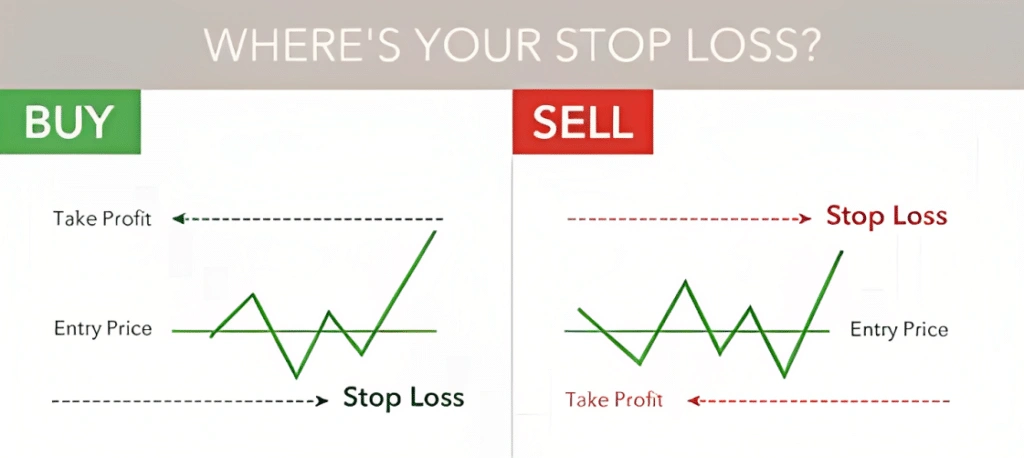
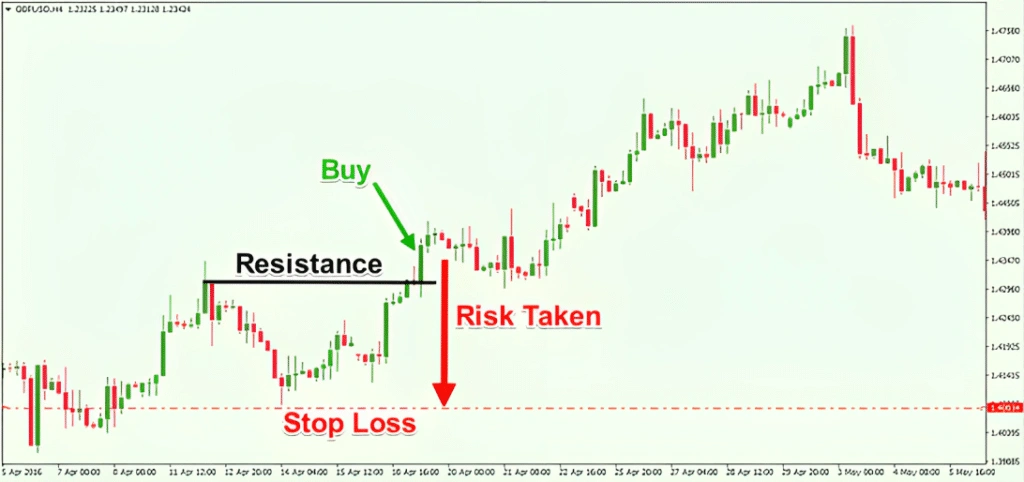
A stop loss order is a risk management tool that helps traders protect their capital by automatically closing a trade when the market moves against them. By setting a stop loss level, traders determine the maximum amount of loss they are willing to bear on a particular trade. This level is typically placed below the entry price for a long position or above it for a short position. When the market reaches the stop loss level, the trade is closed, preventing further losses.
On the other hand, a take profit order allows traders to secure their profits by automatically closing a trade when it reaches a predefined level of profitability. By setting a take profit level, traders ensure that they capture a certain amount of profit before the market potentially reverses. This level is typically placed above the entry price for a long position or below it for a short position. When the market reaches the take profit level, the trade is closed, locking in the desired profit.
Both stop loss and take profit orders are essential tools for managing risk and preserving capital in the Forex market. They provide traders with a level of control over their trades, allowing them to define their risk-reward ratios and maintain discipline in their trading strategies. By using these orders effectively, traders can protect themselves from excessive losses and secure profits when the market moves in their favor.
It’s important to note that setting stop loss and take profit levels requires careful consideration and analysis. Factors such as market volatility, support and resistance levels, and overall market conditions when determining these levels should be considered. It is also crucial to review and adjust these levels periodically to adapt to changing market dynamics.
In conclusion, stop loss and take profit orders play vital roles in Forex trading. They serve as risk management tools that help traders limit losses and secure profits. By utilizing these orders effectively, traders can maintain a disciplined approach to trading and increase their chances of long-term success. Remember to always analyze the market, set realistic levels, and stay up to date with market trends to make informed decisions.
Stop loss, while a widely used risk management tool in financial markets, does have its limitations. Let’s explore some key drawbacks that individuals should be aware of when employing this strategy:
- Inadequate Protection from Gaps: Stop loss orders are designed to limit losses by automatically triggering a sell order when the price of an asset reaches a predetermined level. However, during periods of high market volatility or significant news events, prices may experience sudden and substantial gaps. These gaps can cause the stop loss order to be executed at a significantly different price than anticipated, resulting in larger losses than expected.
- Slippage: Slippage occurs when the execution price of a trade differs from the intended stop loss price. This can happen due to market liquidity issues, especially when trading large positions or during fast market movements. Slippage can lead to greater losses than initially planned, eroding the effectiveness of the stop loss.
- False Breakouts and Whipsaws: Financial markets are prone to false breakouts and whipsaws, where prices briefly move beyond a key support or resistance level, triggering stop loss orders, only to reverse back in the original direction. These false signals can result in premature stoppage of positions, causing traders to miss out on potential profits.
- Market Manipulation: In certain situations, market manipulation by large players or insider trading can cause sudden and unexpected price movements. This can invalidate stop loss orders, as prices may rapidly fluctuate in a manner that prevents their execution at the desired levels. Traders relying solely on stop loss orders may find themselves vulnerable to such manipulations.
- Overreliance on Automation: While stop loss orders can provide a sense of security by automating the exit strategy, relying solely on automated tools without considering broader market conditions and individual stock fundamentals can be risky. Market dynamics, economic events, and other factors can influence asset prices in ways that a predetermined stop loss level may not account for, potentially leading to suboptimal outcomes.
- Psychological Impact: Stop loss orders, if hit frequently, can have a negative psychological impact on traders. Constantly experiencing small losses can lead to frustration and a loss of confidence, potentially impacting decision-making abilities. Emotional reactions to market fluctuations can impair judgment and cause traders to deviate from their original trading plans.
- Limited Time Horizon: Stop loss orders are typically designed for short-term trading or managing risk over a specific timeframe, such as active-duty military personnel who may have limited availability to closely monitor their investments. They may not be suitable for longer-term investors or those with a more patient approach to the market.